How Reward Games Introduce Fresh Goals Through Updates
21 November 2026 | 3
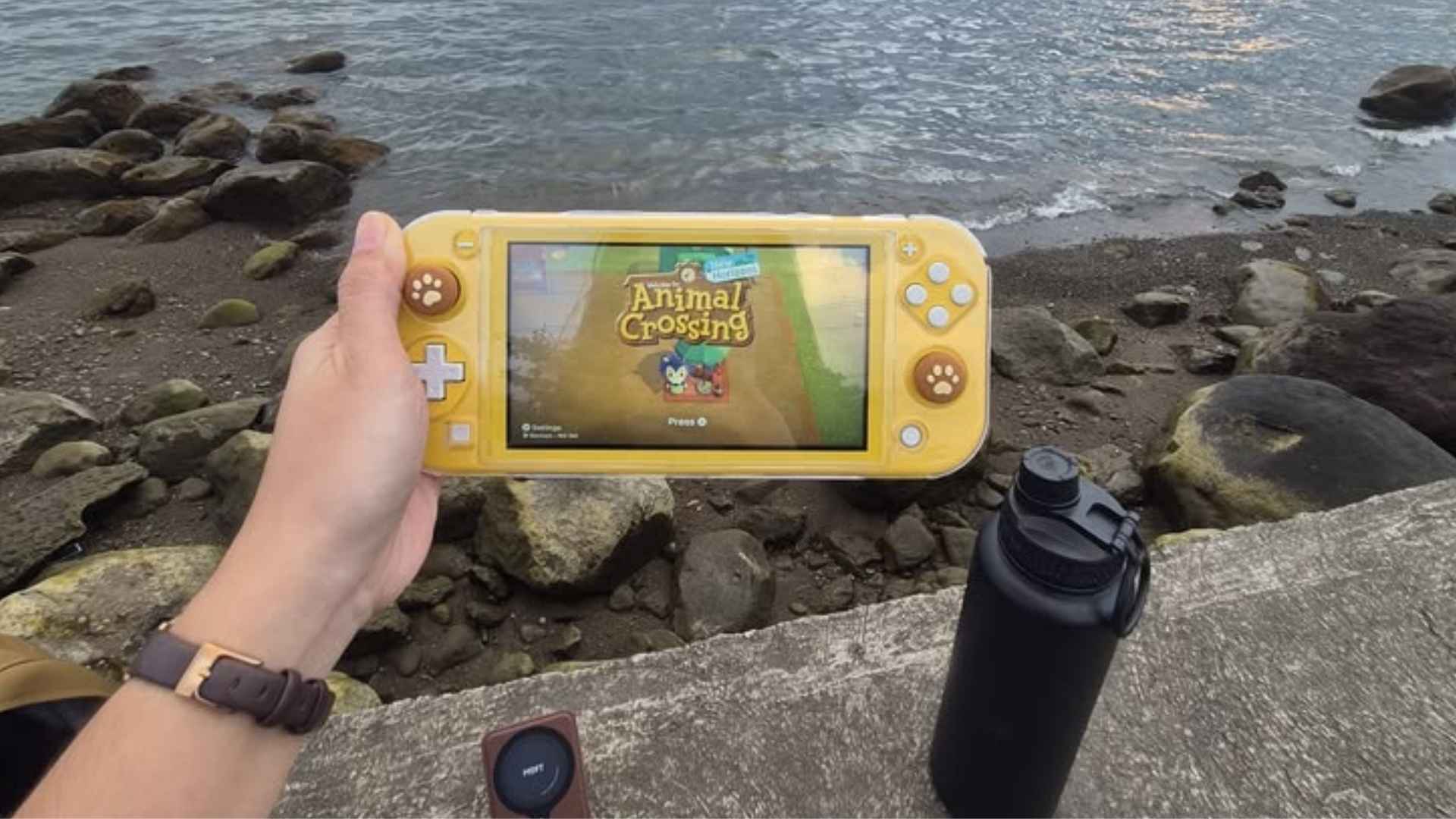
Mobile reward platforms constantly evolve to keep players engaged over extended periods, relying heavily on software patches and dynamic updates. By introducing new milestones, refreshed leaderboards, and seasonal events, developers maintain player interest while preventing gameplay routines from feeling stagnant. Understanding how these regular updates reshape player targets provides insight into modern game design strategies.
The Role of Content Patches in Player Engagement
Regular software patches serve as the primary mechanism for developers to inject fresh life into existing gaming ecosystems. These updates often add new stages, unlock unique progression paths, and adjust reward thresholds to align with current player feedback. Without continuous updates, even the most engaging titles risk losing active users to competing digital platforms.
Furthermore, scheduled patches allow developers to address balance issues and refine earning formulas across different activity tiers. By tuning difficulty curves and resource payouts, platforms ensure that both casual users and dedicated players encounter achievable challenges. This structural balance keeps community participation high across all operational cycles.
Introducing Seasonal Events and Limited-Time Quests
Seasonal updates create a sense of urgency by offering exclusive targets that must be completed within a defined timeframe. Temporary quests encourage players to adjust their usual strategies and experiment with novel game mechanics to earn time-sensitive incentives. This temporary shift in focus breaks up monotone grinding patterns and revitalizes standard gameplay loops.
Many players consult online resources and an m88 review to evaluate how different platforms manage these event-based incentive structures. Highlighting limited-time bonuses helps platforms boost daily active user counts during specific promotional periods. Consequently, players enjoy dynamic content while maximizing their accumulated point totals through festive campaigns.
Expanding Progression Tiers and Milestone Rewards
As players reach peak levels within a game, developers must expand progression systems to prevent audience churn. Adding new milestone ranks and unlockable tiers gives experienced players long-term objectives to strive toward during routine sessions. This continuous goal expansion ensures that veteran users always have relevant tasks to focus on.
New progression systems often include specialized perks, cosmetic upgrades, or higher multiplier rates for earned points. Providing visible progress paths encourages players to maintain regular login habits to unlock advanced tiers. This strategy builds a strong foundation of long-term community loyalty across diverse user bases.
Enhancing Social and Community-Driven Goals
Modern updates increasingly emphasize collective achievements that require players to cooperate or compete within shared environments. Guild objectives, global milestones, and team-based leaderboards encourage community members to collaborate toward mutual rewards. These social framework updates transform solitary play into interactive group experiences.
By linking individual rewards to group progress, games build a deeper sense of accountability and shared interest among players. Community goals foster ongoing discussions across forums and social channels, extending engagement outside the app itself. As updates refine these social features, players remain motivated by both personal growth and community success.